
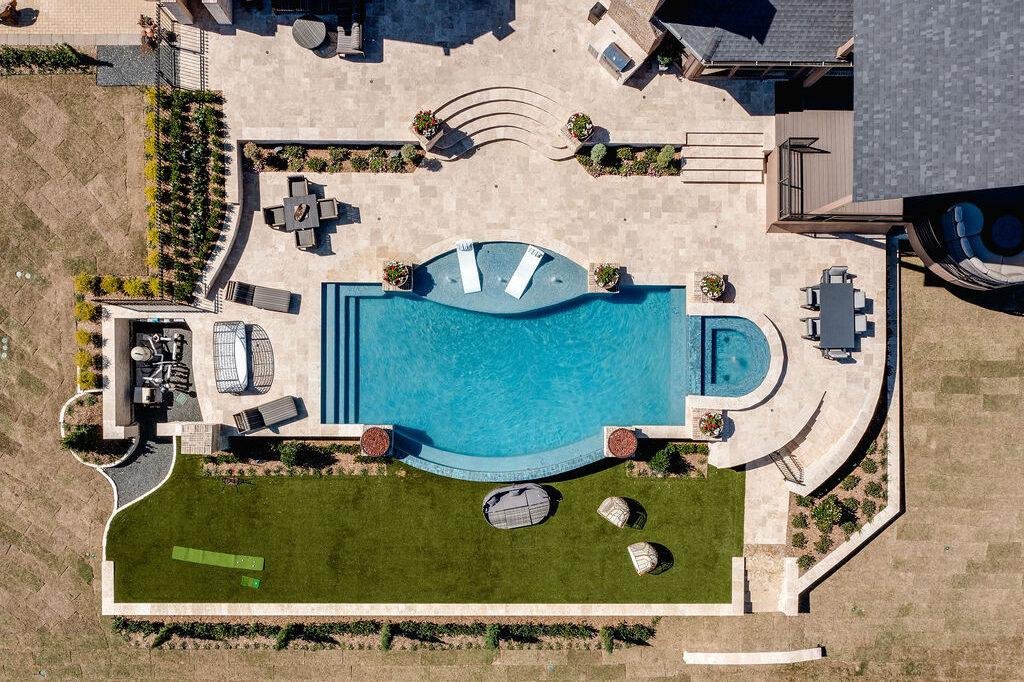
Choosing the right pool size isn’t just about fitting water in your backyard. After building over 1,000 pools across North Texas, I’ve seen homeowners make the same mistake: they either go too small and regret it later, or too big and create maintenance headaches they can’t handle.
Your pool size depends on five key factors: lot dimensions, intended use, budget, local codes, and long-term maintenance capacity. Get these wrong, and you’ll either outgrow your pool in two years or spend every weekend cleaning something that’s become a burden.
Texas-Specific Size Considerations
Our climate shapes how you’ll actually use your pool. In North Texas, you’ll get 7-8 months of swimming weather each year, which means size decisions have long-term implications.
Most cities in our service area require minimum setbacks of 3-5 feet from property lines. Frisco requires 3 feet, Plano requires 3 feet, and McKinney varies by lot size. Always verify current codes with your city before finalizing dimensions.
Texas clay soil also affects sizing decisions. Larger pools require different construction specifications, which may require piers and or soil injections, creating additional costs to your project depending on soil conditions and drainage requirements.
How to Choose the Right Pool Size for Your Backyard
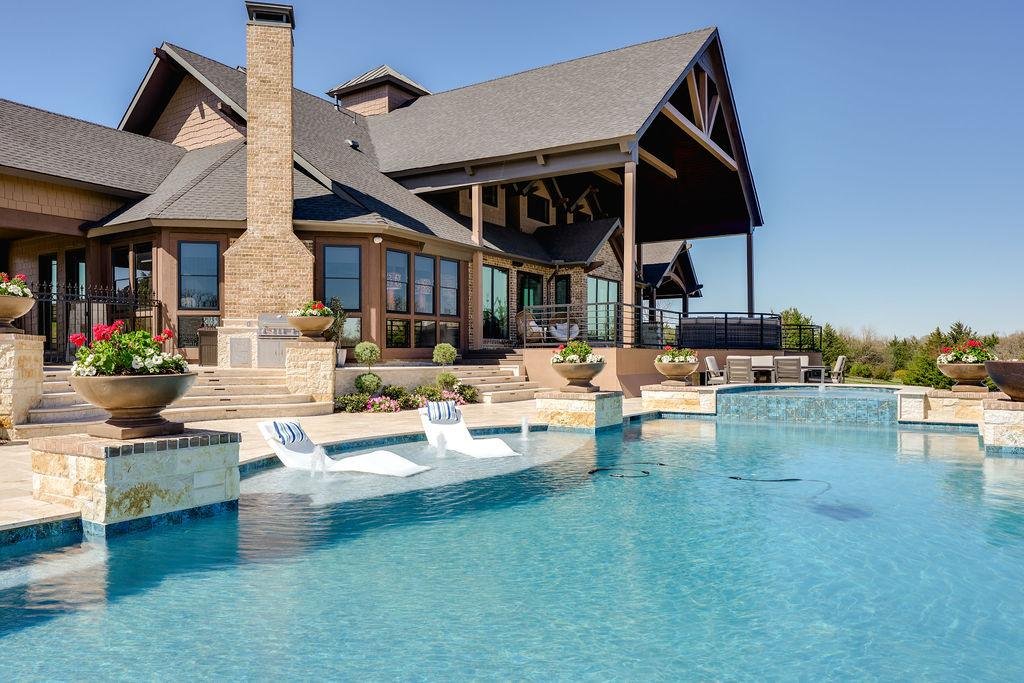
I ask every client the same question: “How will you actually use this pool?” The answer guides us in the design for both aesthetics and use.
For lap swimming: You need minimum 35-40 feet of length and 8 feet of width for a decent swimming lane. Anything shorter and you’re doing more turning than swimming.
Budget vs. Size Trade-offs
Every additional foot of pool length or width increases your cost but not significantly.
Here’s where I see people make expensive mistakes: they stretch their budget for a larger pool but cut corners on essential features like proper equipment, quality finishes, or adequate lighting. A well-built smaller pool beats a cheap larger one every time.
Maintenance Reality Check
Annual maintenance costs can vary based on many factors but costs may range from $1,000-$3,000+/-
Frequently Asked Questions
What’s the most popular pool size in North Texas?
Due to limited spacing in residential development, an average pool is 15×30. They provide enough space for families while staying manageable for maintenance.
Can I add onto my pool later?
Pool expansion is technically possible but can be costly. Site conditions and space limitations can vary costs significantly. It’s almost always better to build the right size initially rather than expand later.
How do HOA rules affect pool sizing?
Many North Texas neighborhoods have some space limitations that may be more limiting than the city. Some also restrict specific features or require architectural approval. Check your covenants before planning.
What size pool do I need for water features?
Features like swim-up bars or tanning ledges require pools at least 16′ wide. Vanishing edge pools need sufficient depth and often work better with larger dimensions, or sites that have some grade changes.
How does soil type affect size decisions?
Texas clay can shift and settle. Larger pools create more soil disturbance and may require additional structural engineering or drainage solutions, particularly in areas with expansive clay soils.
Ready to plan your pool size correctly from the start? Let’s discuss your specific lot, family needs, and budget to determine the perfect dimensions for your North Texas backyard. Call us at (972) 335-2777 to schedule your consultation.